Sleep
How to Do 4-7-8 Breathing: A Step-by-Step Guide for Sleep and Calm
Learn the 4-7-8 breathing technique step by step: how to modify it if it feels too intense, why the long exhale works, and when to practise it for better sleep.
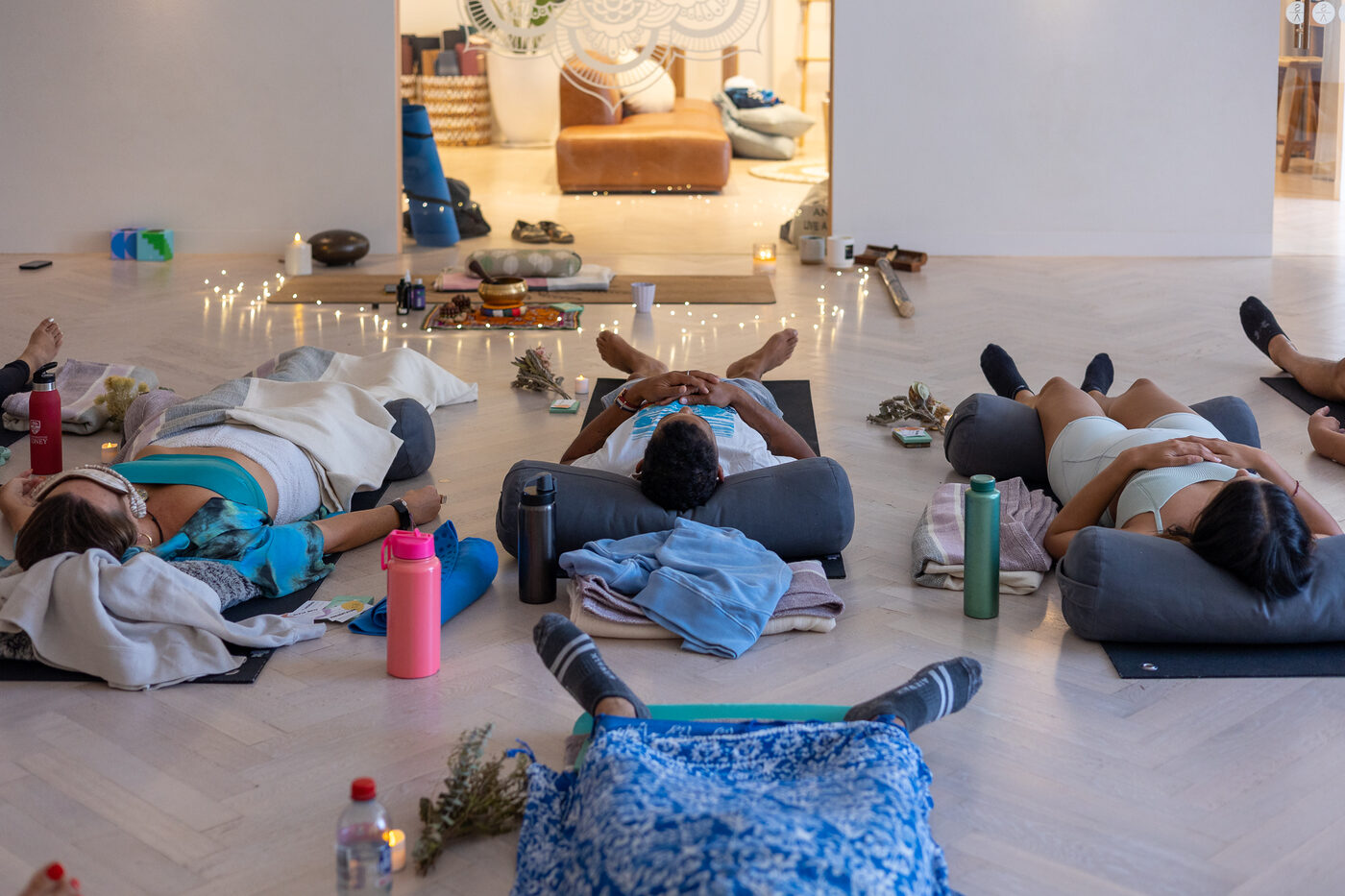
4-7-8 breathing is a simple pattern: you inhale for 4 seconds, hold for 7 seconds, and exhale slowly for 8 seconds. Alongside box breathing, it is one of the most well-known breathing techniques around, and for good reason.
Done correctly, it is one of the most effective tools for winding down after a stressful day or settling the mind before sleep. This guide walks through the pattern step by step, how to modify it if the hold feels like too much, why the long exhale does real work, and when to practise it for the best effect.
What is 4-7-8 breathing?
4-7-8 breathing, sometimes called the “relaxing breath,” was popularised by integrative medicine physician Dr. Andrew Weil, drawing on the ancient yogic practice of pranayama. The pattern is simple: inhale for 4 seconds, hold for 7 seconds, exhale for 8 seconds.
How to modify it if it feels like too much
The 7-second hold on top of an 8-second exhale can feel intense, especially early on. There is no need to force it:
- Standard: 4 seconds in, 7 seconds hold, 8 seconds out
- A bit easier: 4 seconds in, 8 seconds out, no hold
- Easier still: 4 seconds in, 6 seconds out, no hold
You can add a small hold at the top once you are comfortable. Start slow and build from there. There is no rush to get to the full ratio.
How to do it, step by step
Place your left hand on your lowest left rib and your right hand on your lowest right rib, fingers tucked around toward your back so you are holding your whole waistline.
- Inhale slowly and fully for 4 seconds. Focus on your ribs expanding out into your hands.
- Hold for 7 seconds (or your modified count).
- Exhale slowly for 8 seconds. Feel your hands slowly come back together as your lungs empty.
- Go straight back into the next inhale. There is no hold on the exhale in this technique.
Why the hold and the long exhale matter
For anyone with a solid tolerance to breath holds, this technique is genuinely relaxing. The inhale followed by the hold builds a kind of pressure. A good way to think of it is that the hold gives you a moment to gather up the tension of the day, and the long exhale is where you let it go.
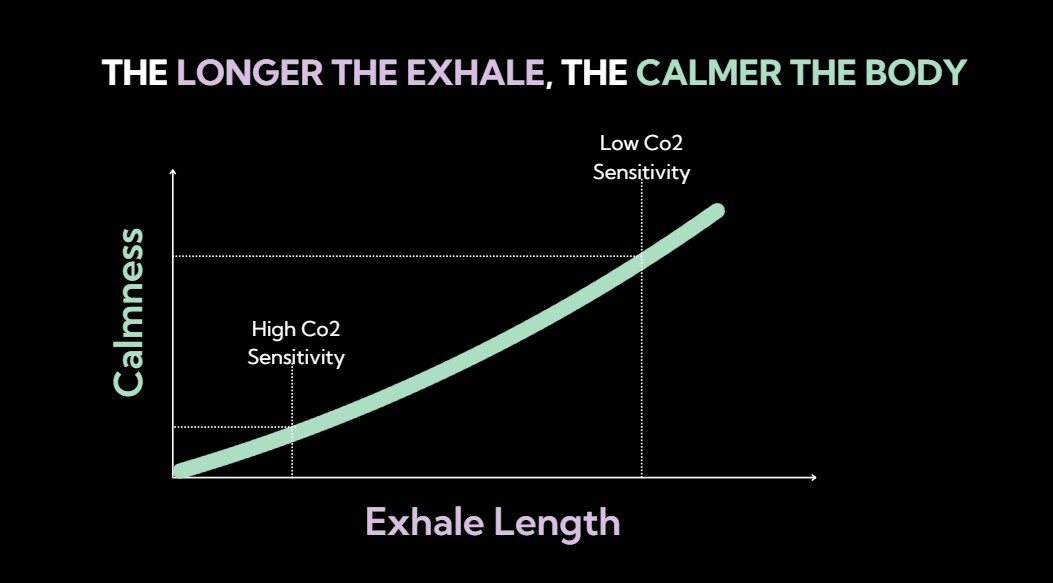
The exhale is doing real physiological work here, too. A longer exhale relative to the inhale is associated with increased parasympathetic (“rest and digest”) activity: the state your nervous system needs to be in for both relaxation and sleep. A direct study on 4-7-8 breathing found that after practising it, markers of parasympathetic activity increased while markers of sympathetic (“fight or flight”) activity decreased in healthy adults.
An important caution
This one only works if you are genuinely comfortable with the hold. If you are pushing yourself too hard on the 7-second hold, it can tip into feeling panic-inducing rather than relaxing, the opposite of what you are going for. You should be able to do several rounds without any sense of air hunger or panic. If you cannot yet, use one of the easier modifications above rather than forcing the full count. Building that comfort is exactly what CO2 tolerance training is for.
This also is not a technique for right before you need to be alert or active. It is built for winding down, not gearing up. Save it for after a stressful day, or in the hour or two before bed. If it is racing, breathwork for anxiety covers more tools for calming anxious thoughts, and if you are new to all of this, what is breathwork is a good place to start.
The best time to practise for sleep
A common assumption is that this technique is something you do once you are already in bed trying to fall asleep. In practice, it tends to work better in the hours leading up to bed rather than in bed itself. By the time you are lying down struggling to sleep, your mind is often already wound up, and it needs a bit of time to settle rather than an instant switch.
Think of it as a delayed reaction: the breath relaxes the body first, and the mind gently follows a little after. That said, if you did not get to it earlier and you are only starting once you are in bed, that is completely fine too. Just keep the rounds going. A timer running in the background can help you stay with it without needing to count in your head, which is one of the things the Be Remindful app is designed for as a daily practice.
If you would like to be guided through techniques like this in person, we run private one-on-one sessions and group sessions, and the app includes a short daily practice you can use anywhere.
For the rest of the routine around bedtime, see how to sleep better using your breath. The guide covers morning light, daytime resets and evening wind-down, not just the final breathing pattern.
References
- Cleveland Clinic. 4-7-8 Breathing. View source
- Vierra, J., Boonla, O., & Prasertsri, P. (2022). Effects of sleep deprivation and 4-7-8 breathing control on heart rate variability, blood pressure, blood glucose, and endothelial function in healthy young adults. PMC. View source
Frequently asked questions
What is the 4-7-8 breathing technique?
A breathing pattern of a 4-second inhale, a 7-second hold and an 8-second exhale, popularised by Dr Andrew Weil and based on the yogic practice of pranayama.
What if I cannot hold my breath for 7 seconds comfortably?
Modify it. Try 4 seconds in and 8 out with no hold, or 4 in and 6 out if that is still too much. Build up to the full ratio gradually.
Does 4-7-8 breathing actually work?
A direct study on the technique found it increased markers of parasympathetic (rest and digest) activity and decreased markers of sympathetic activity in healthy adults after practice.
When should I do 4-7-8 breathing for sleep?
It tends to work best in the hours before bed rather than in bed itself, since your mind needs time to settle. That said, doing it in bed is still worthwhile if that is when you remember.
Is there a hold on the exhale too?
No. This technique only holds on the inhale. After the 8-second exhale you go straight back into the next inhale.
About the author
Daniel Augustine
Daniel is the founder of Be Remindful, a Breathless Masters Instructor and an Oxygen Advantage Advanced Instructor. He has spent fifteen years across ad tech and mindfulness, runs breathwork sessions for teams at companies including Google, Atlassian, Salesforce and Spotify, and works one-on-one with people managing anxiety, stress and performance.
Want to try breathwork for yourself?
Sessions run for individuals, private groups and workplace teams, in Sydney, Melbourne, Brisbane, Gold Coast, Adelaide and online. No experience needed.